
Behind the Scenes at the London International Horse Show: Insights shared with The Event School Students

The London International Horse Show is a major event that draws crowds from across the country, showcasing equestrian skill and vibrant competition. For students from The Event School London, getting a chance to see the event’s build-up at ExCeL London offered a rare glimpse into the complex process behind the scenes. This visit was more than just a tour; it was an immersive learning experience that connected classroom knowledge with real-world event management and rigging practices.

Starting with a Blank Canvas
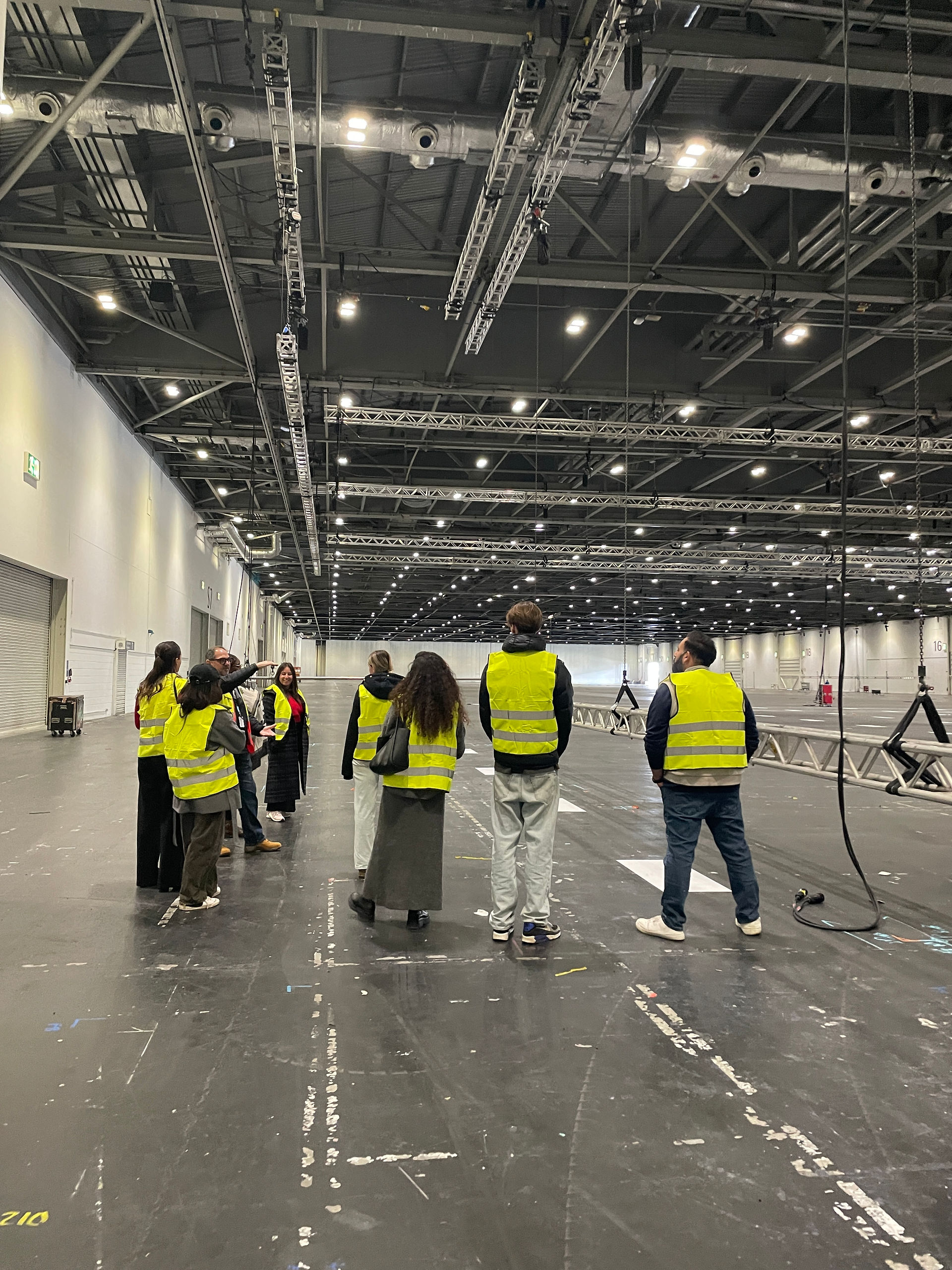
The session began with students entering an empty exhibition hall. This vast, open space was a blank canvas, waiting to be transformed into the bustling venue for the London Horse Show. The contrast between this empty hall and the final event space was striking. It highlighted how much work goes into preparing a venue from scratch.
Students learned about the initial steps involved in rigging and prepping the hall. Rigging refers to the installation of equipment such as lighting, sound systems, and safety structures that support the event’s technical needs. Nigel Winer, ExCeL London's Head of Rigging, explained the importance of planning and precision in this phase.
Every cable, beam, and fixture must be carefully positioned to ensure safety and functionality.
This part of the visit emphasised the technical side of event management, showing students how critical it is to understand the infrastructure that supports large-scale events.
Crossing the Boulevard to See Progress
After exploring the empty hall, the group crossed ExCeL’s busy boulevard to visit another hall where the build-up was well underway.
Here, the space was half complete, with stands for seating being constructed, stalls for horses being set up, and the competition and hospitality areas taking shape.
This contrast between the empty hall and the partially built one gave students a clear picture of the event’s progression. They could see how different teams work simultaneously on various parts of the venue, from construction crews to rigging specialists and utility providers.
The presence of horse stalls and the competition arena brought the event to life. It helped students understand the unique challenges of managing an event that involves live animals, including safety, logistics, and welfare considerations.


Experiential Learning and Industry Immersion
This visit was a perfect example of experiential learning. Instead of just reading about event management or watching videos, students experienced the environment firsthand. They observed the coordination required between different teams and the detailed planning needed to bring an event like the London Horse Show to life.
Industry immersion like this helps students connect theory with practice. It also gives them a chance to ask questions and hear directly from professionals like Nigel, who shared valuable insights about rigging and event build-up.
For students enrolled in Advanced Diplomas and Higher Diploma courses in event management and sports event management, this experience reinforced their studies and gave them a clearer idea of what to expect in their future careers.
Key Takeaways for Event Management Students
Planning is essential: The rigging and build-up process requires detailed planning to ensure safety and efficiency.
Team coordination matters: Multiple teams work together, each with specific roles, to prepare the venue.
Adaptability is crucial: Managing live animals adds complexity, requiring flexibility and quick problem-solving.
Hands-on experience enhances learning: Seeing the event build-up in person helps students understand the scale and detail involved.
Industry professionals provide valuable insights: Learning from experts like Nigel Winer bridges the gap between classroom and real-world knowledge.
What This Means for Future Event Managers
For students aiming to work in event management, especially in sports or large-scale events, this visit offered a realistic preview of the challenges and rewards in the field.
Understanding the technical aspects of rigging and venue preparation is just as important as managing schedules and budgets.
The London Horse Show is a complex event that demands precision, teamwork, and a deep understanding of logistics.
By witnessing the build-up process, students gained confidence and motivation to pursue their careers with a clearer vision of what success looks like.


